Blog
Latest guides on IP addresses, VPNs, online privacy, and internet security.
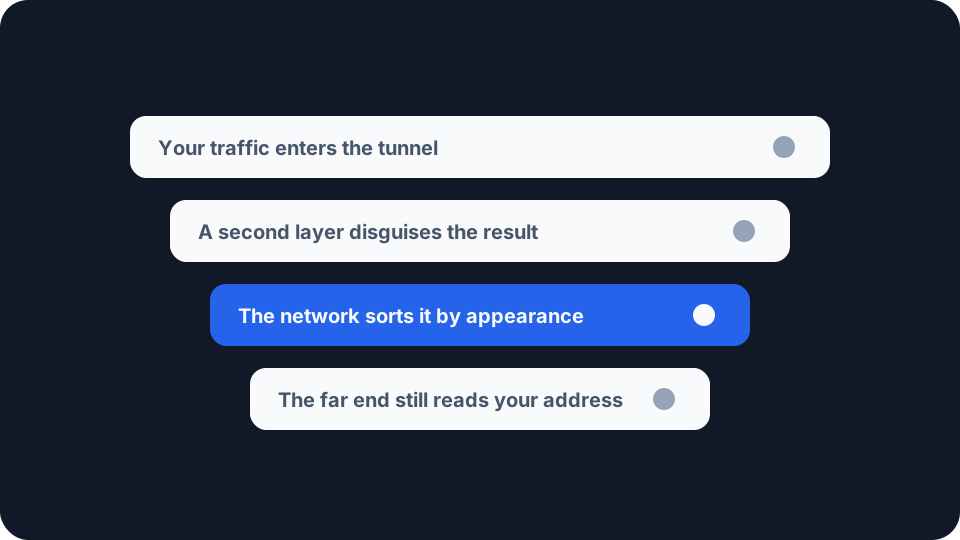
Obfuscated VPN Servers Disguise a Tunnel That Is Easy to Detect
Obfuscation wraps a VPN tunnel to change how it looks on the wire. What two peer-reviewed studies found when they tested it, and what it leaves alone.
Read more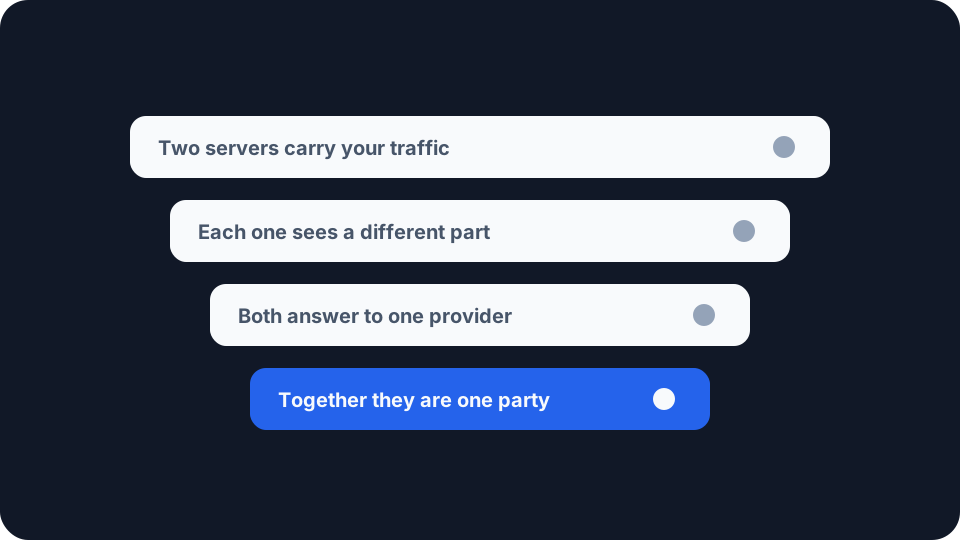
Double VPN: Who Runs the Second Server You Route Through
Routing through two VPN servers instead of one splits what each machine can see. Whether it splits anything else depends on who owns both of them.
Read more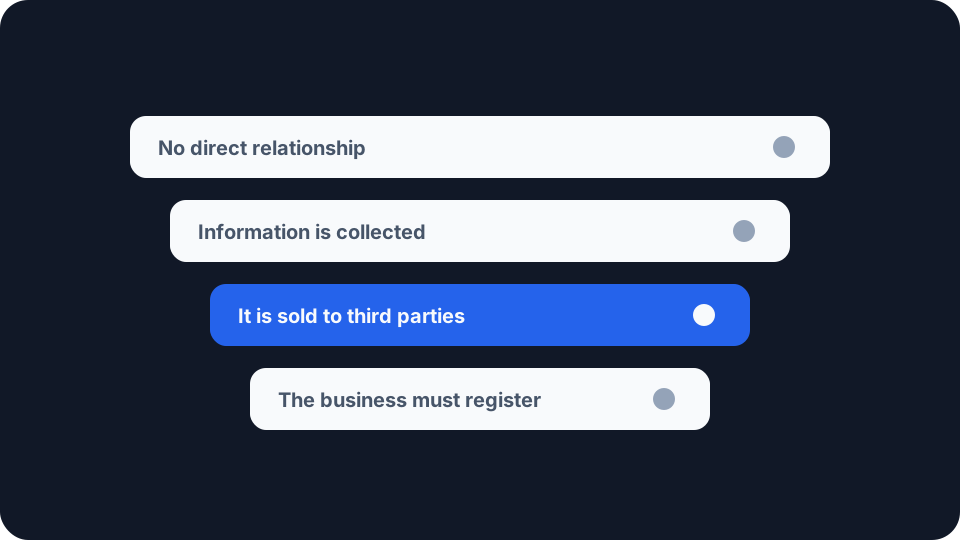
Data Brokers Have No Direct Relationship With You by Definition
A data broker qualifies as one because it has no direct dealings with you. That absence shapes what your address is worth to it, and what you can ask of it.
Read more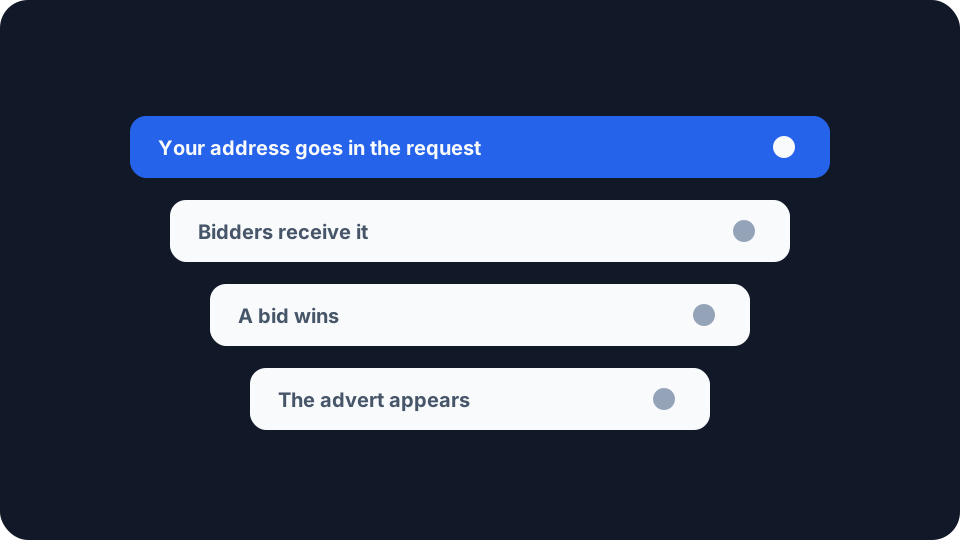
Advertisers Get Your IP Address From the Ad Auction
Your address is a named field in the bid request that goes out when a page loads an ad slot. Here is who receives it, and how little it tells them.
Read more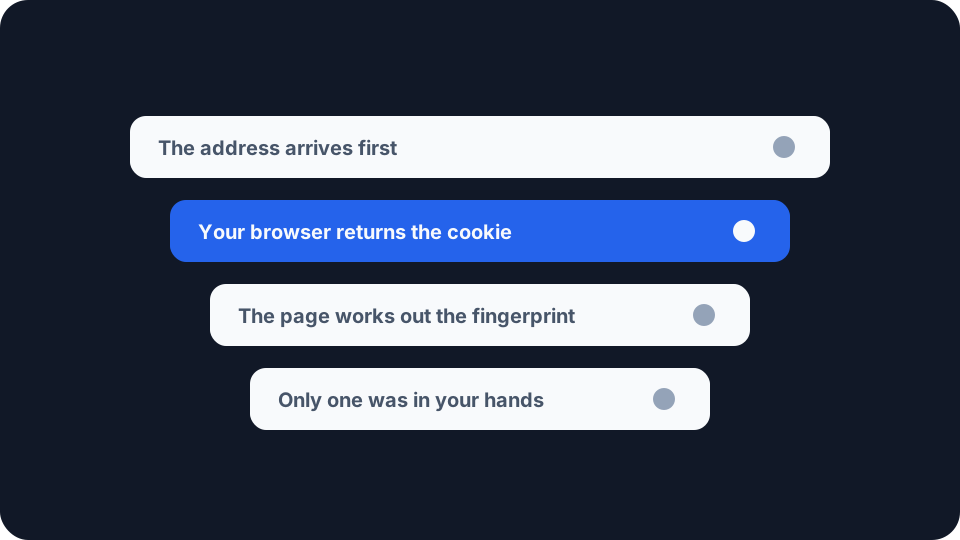
Cookies, Fingerprints and IP Addresses: Who Holds Each One
A cookie is handed to you and stored in your browser. A fingerprint is worked out and kept by the site. Your address belongs to the connection, not to you.
Read more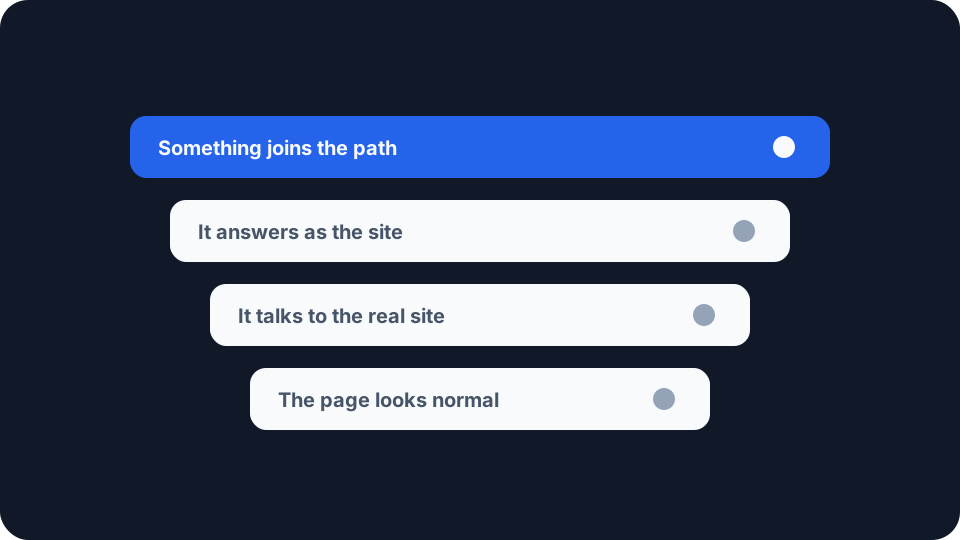
A Man in the Middle Poses as Both Ends of Your Connection
Not eavesdropping but relaying, posing as each end to the other. How the position gets taken on a local network, and why encryption alone does not settle it.
Read more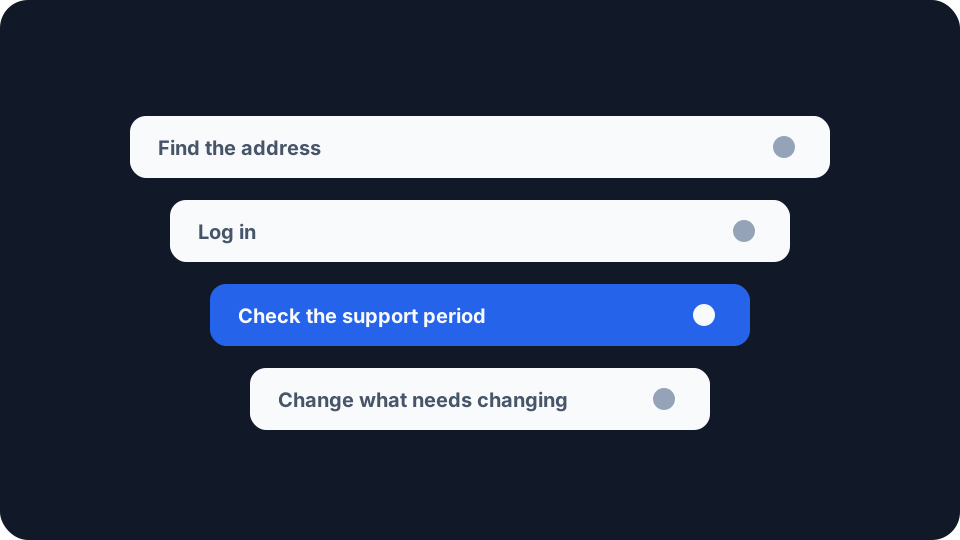
Router Security Starts With the Box, Not the WiFi Password
The admin password, the remote access switch and the published support period are what carry weight on a home router. What to check, and in what order.
Read more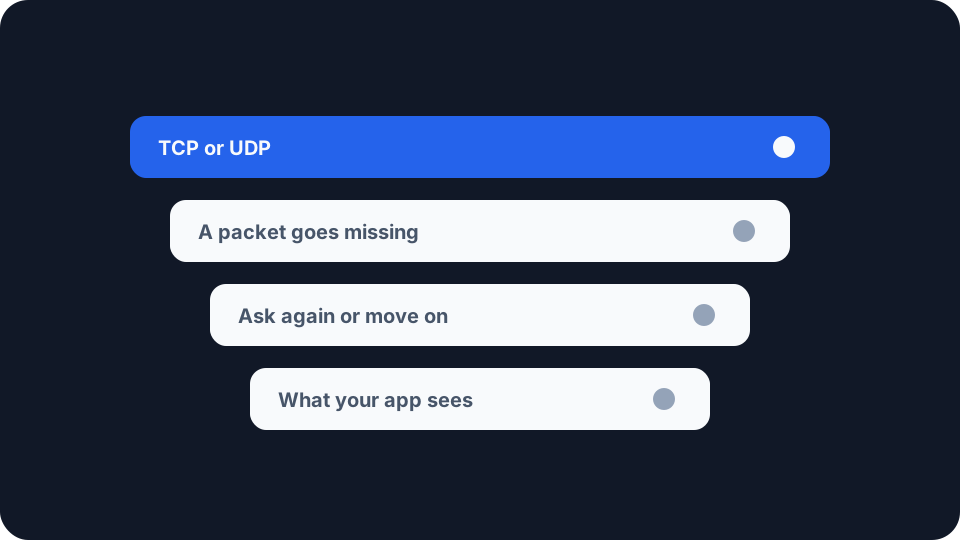
TCP vs UDP: What Happens to a Packet That Goes Missing
TCP and UDP carry your traffic over the same network. What separates them is what each one does about a packet that never arrives, and what that costs you.
Read more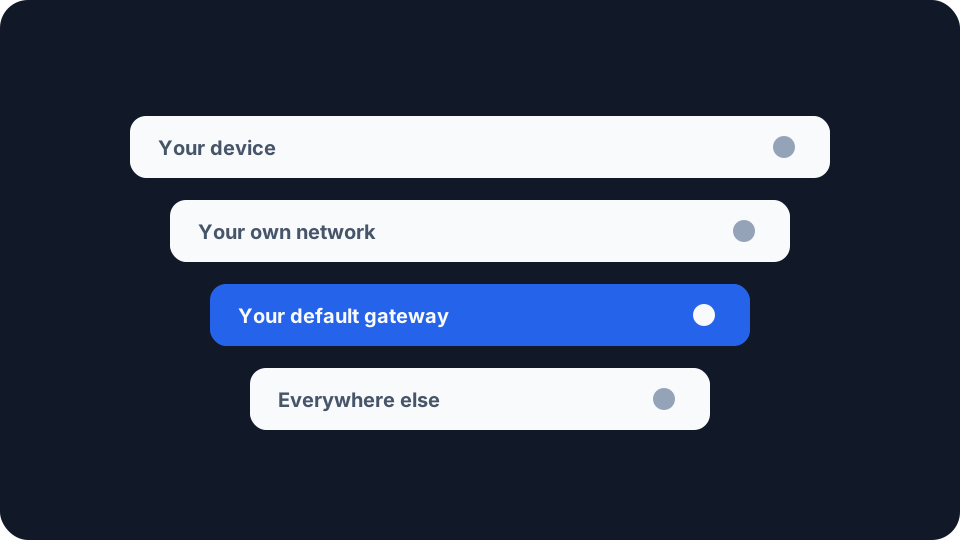
Your Default Gateway Is the First Hop, Not the Destination
Every packet your device sends starts with one question: is this address on my own network? The default gateway is what happens when the answer is no.
Read more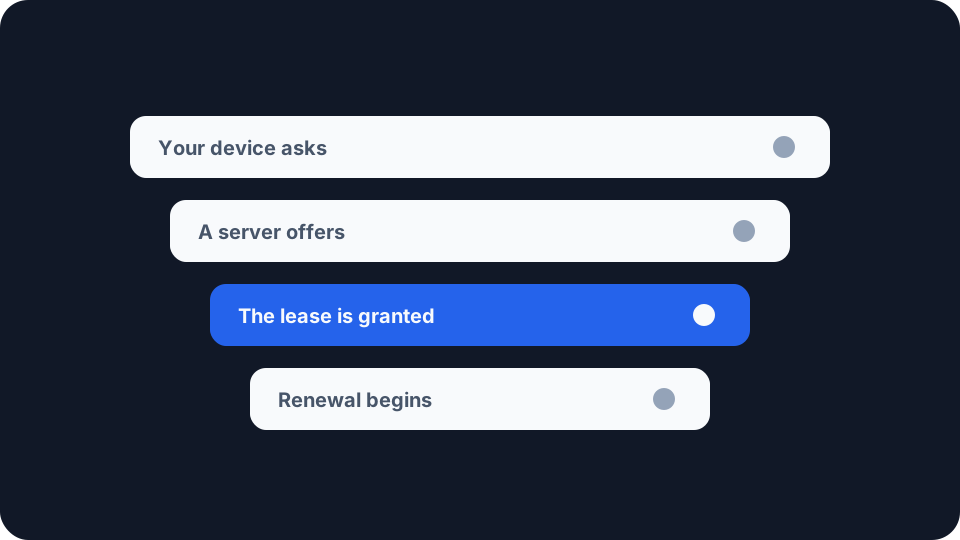
DHCP: The Address Is a Lease, and Your Device Asks to Keep It
Your device negotiates for its address in four messages, then spends the second half of the lease asking to keep it. Here is the exchange, and the timers.
Read more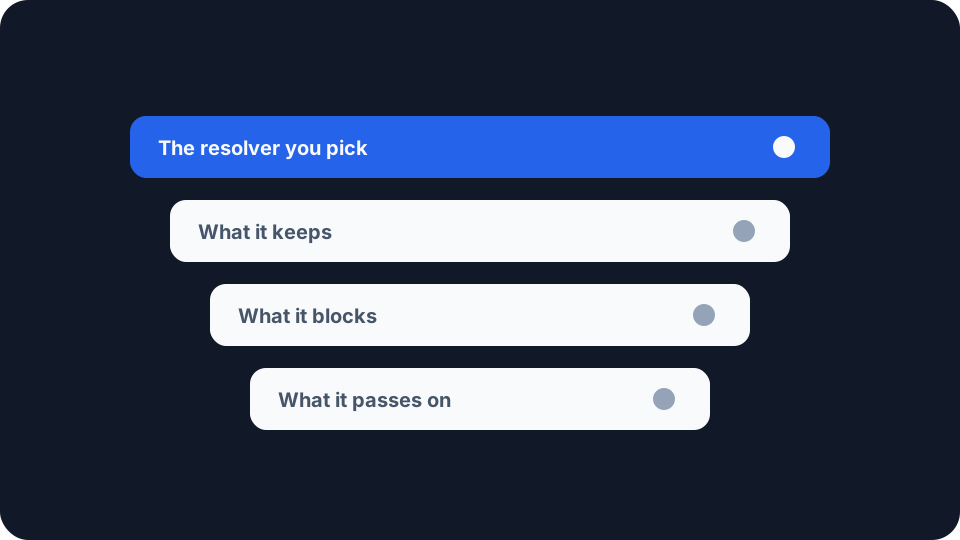
Public DNS Resolvers Compared: 1.1.1.1, 8.8.8.8 and Quad9
1.1.1.1, 8.8.8.8 and Quad9 barely differ on the basics. What separates them is what each keeps, what it blocks and what it passes on, by its own account.
Read more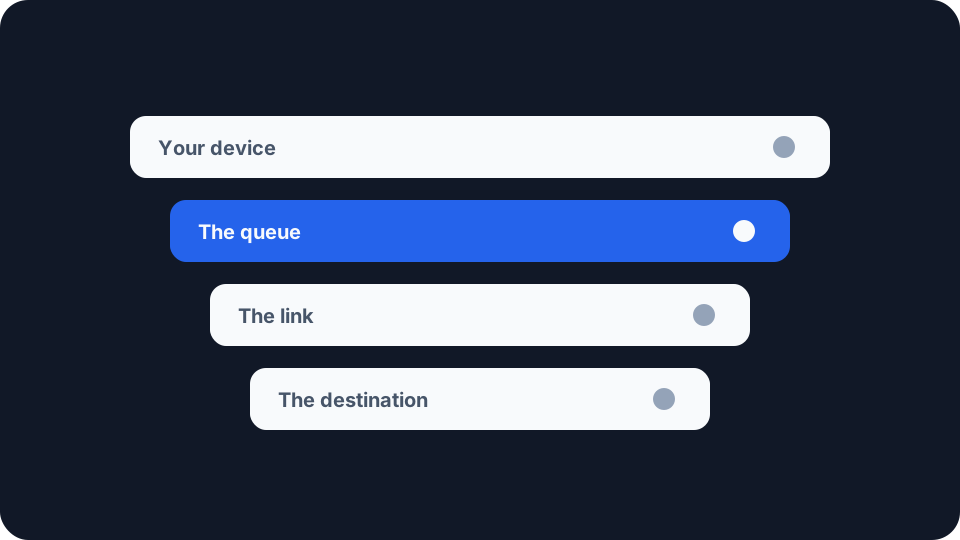
Packet Loss Is a Full Queue Before It Is a Broken Line
Packet loss starts with a full queue, not a fault. What actually causes packets to be dropped, why a test can invent loss, and how to localise a real one.
Read more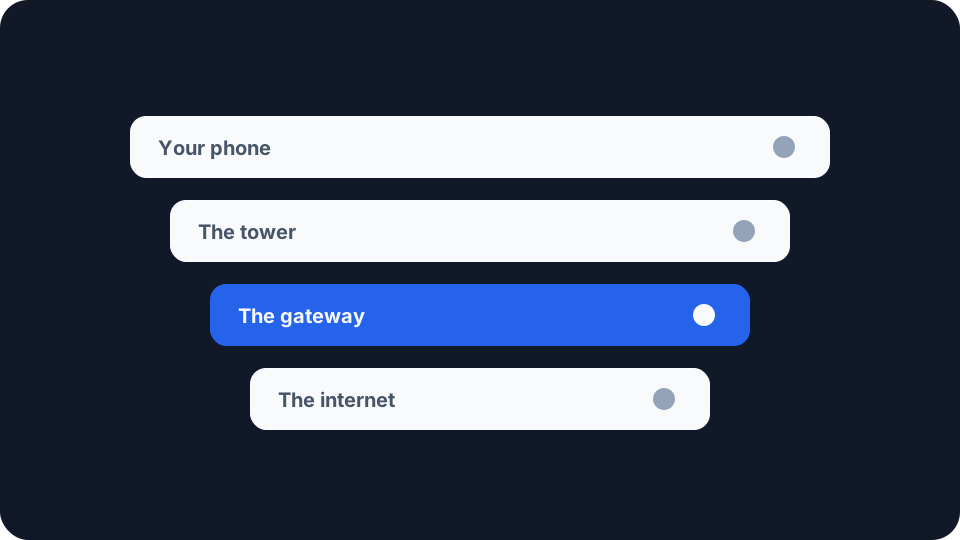
A Phone's IP Address Changes With the Connection, Not the Tower
Your phone's address is anchored at your operator's gateway, not at the tower. What actually resets it, what only looks like a reset, and what to check.
Read more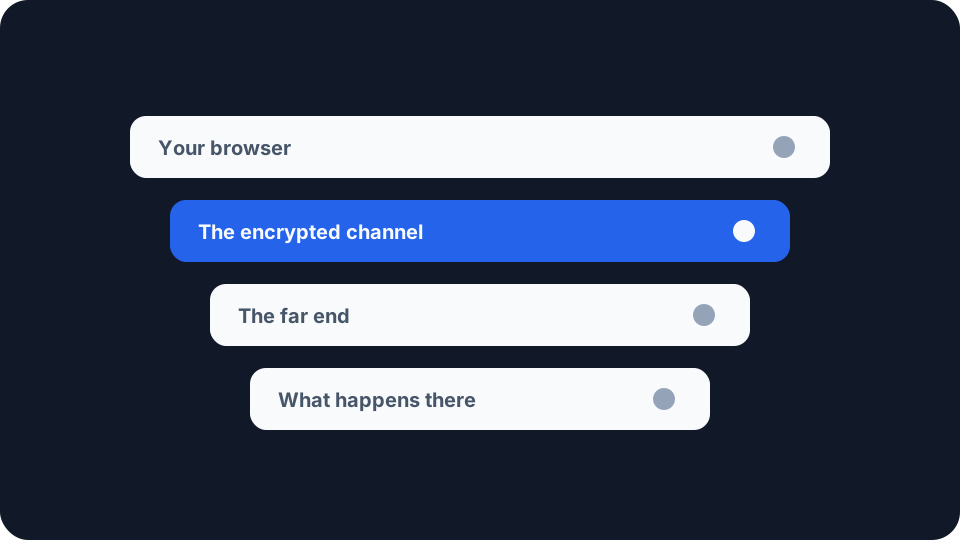
HTTPS Secures the Connection Without Vouching for the Site
HTTPS makes three precise promises about the channel between your browser and a site. None of them is a statement about the site. Here is where it stops.
Read more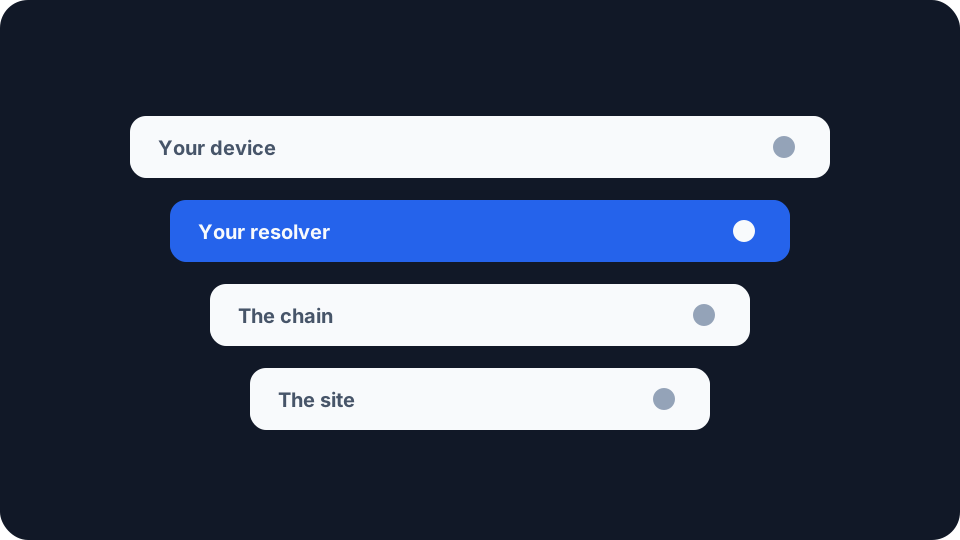
Changing Your DNS Resolver: New Answers, Same Visible Address
Changing which DNS resolver you use moves who receives your questions and who decides the answers. Here is what it leaves alone, and what it can break.
Read more
VPN vs Tor: Moving Your Trust or Splitting It Three Ways
A VPN hands both halves of what you do to a single company. Tor divides them across three relays. Which one you need depends on who you are hiding from.
Read more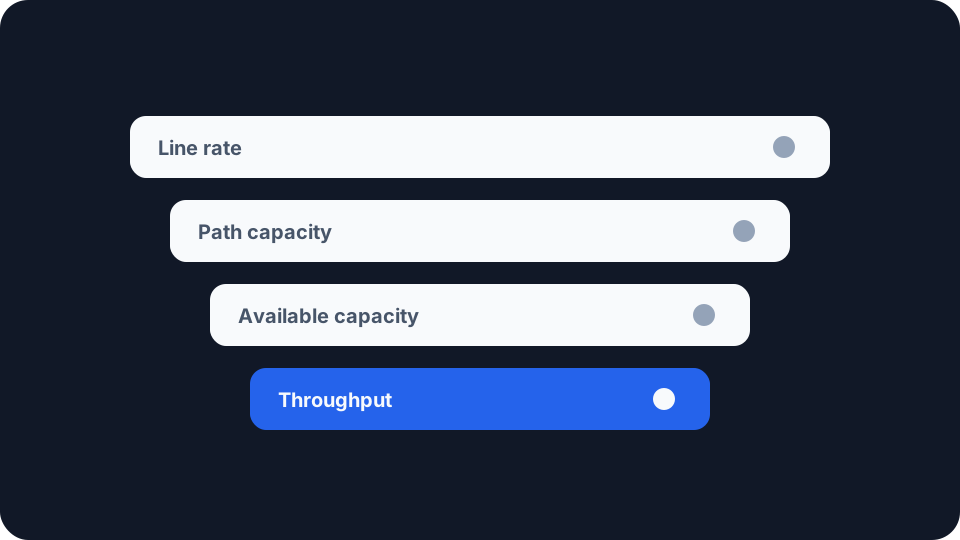
Latency, Bandwidth and Throughput Are Not the Same Thing
Your line has a capacity, a transfer has a rate, and a speed test can only report the second. Here is what each of the three words means, and who defines it.
Read more
Traceroute: How to Read the Path Your Data Takes to a Server
A traceroute lists the routers your packets meet on the way out. What the three timings measure, why a slow middle hop can mean nothing, and what stars mean.
Read more
What an ASN Is, and Why It Shows Up in Your IP Lookup
The AS number in an IP lookup is a routing identifier, not a serial number for your connection. Here is what it means and what it can honestly tell you.
Read more
What Is NAT? How One Address Serves Every Device at Home
Your router keeps one small table that lets every device in your house share a single address. Here is what it does to each packet, and what it costs you.
Read more
Why Your VPN Is Slow: How to Find the Real Bottleneck
A VPN always costs some speed, but rarely as much as you are probably losing. Here is how to find which part of the chain is actually slowing you down.
Read more
Incognito Mode: What It Actually Hides, and From Whom
A private window stops your browser writing the session to disk. It does not hide your IP address, and Chrome's one exception is narrower than it looks.
Read more
DNS Over HTTPS vs DNS Over TLS: What Actually Separates Them
Both encrypt the same hop to the resolver you chose. What separates them is which one your network can see and block, and which one tells the resolver more.
Read more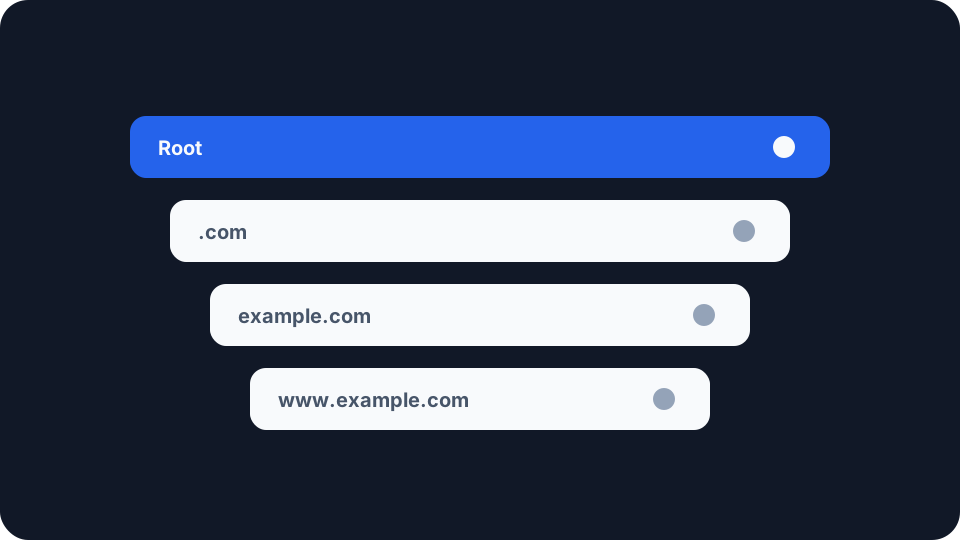
How DNS Actually Works: Following One Lookup Step by Step
Most DNS lookups are answered from a cache before they get far. What happens on the ones that do not, which servers see your question, and what each is told.
Read more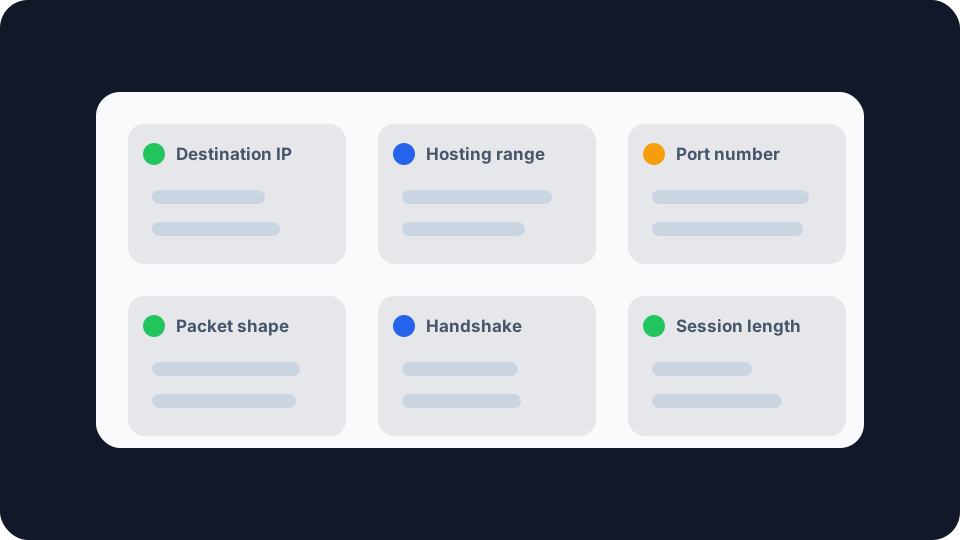
Can Your ISP Tell You Are Using a VPN? What Gives It Away
Your provider almost certainly knows a tunnel is there, and not because of anything clever. What actually gives a VPN away, and what it still hides.
Read more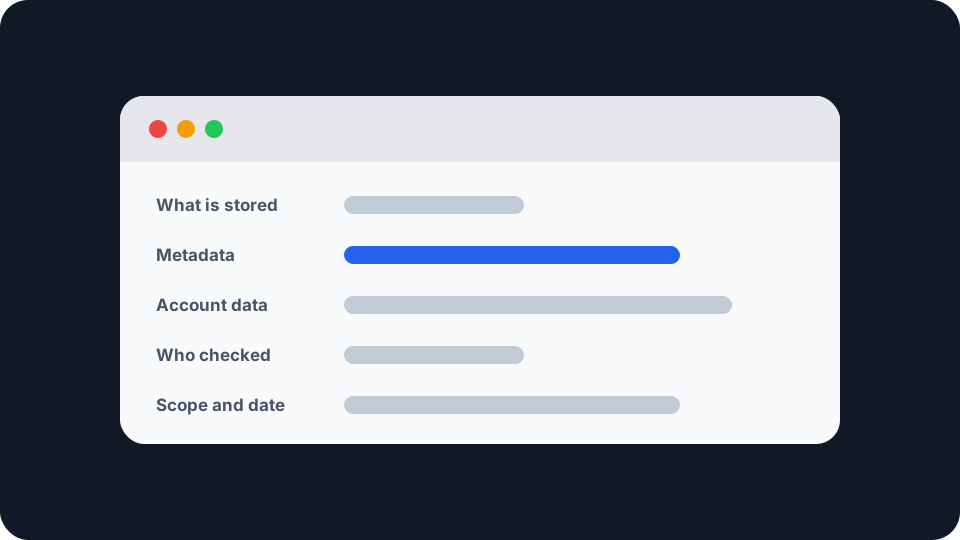
What a No-Logs Policy Actually Means, and How to Check One
No-logs is a marketing phrase, not a legal one. What providers really keep, what an independent audit does and does not prove, and how to check for yourself.
Read more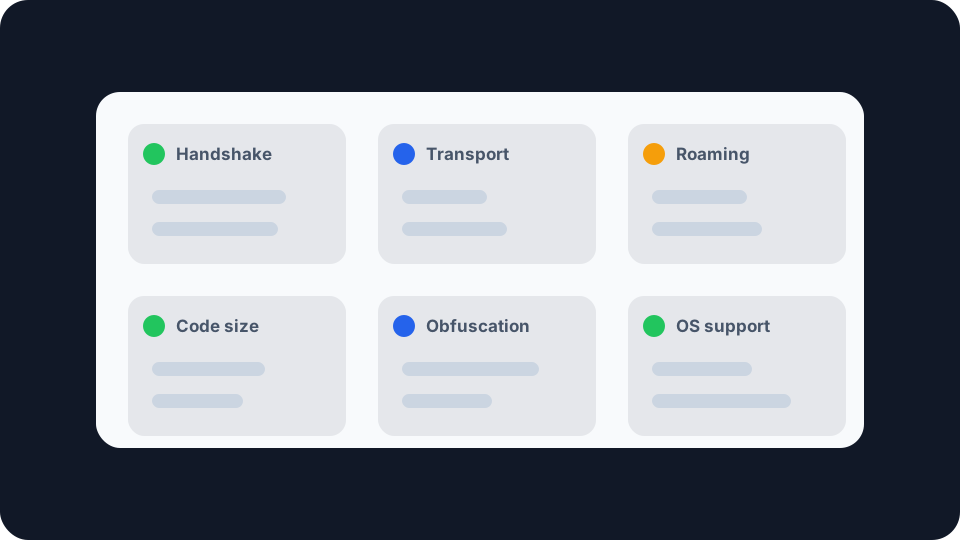
VPN Protocols Compared: WireGuard, OpenVPN and IKEv2
What separates WireGuard, OpenVPN and IKEv2 in practice: code size, speed, how each one survives a dropped connection, and when the default is wrong.
Read more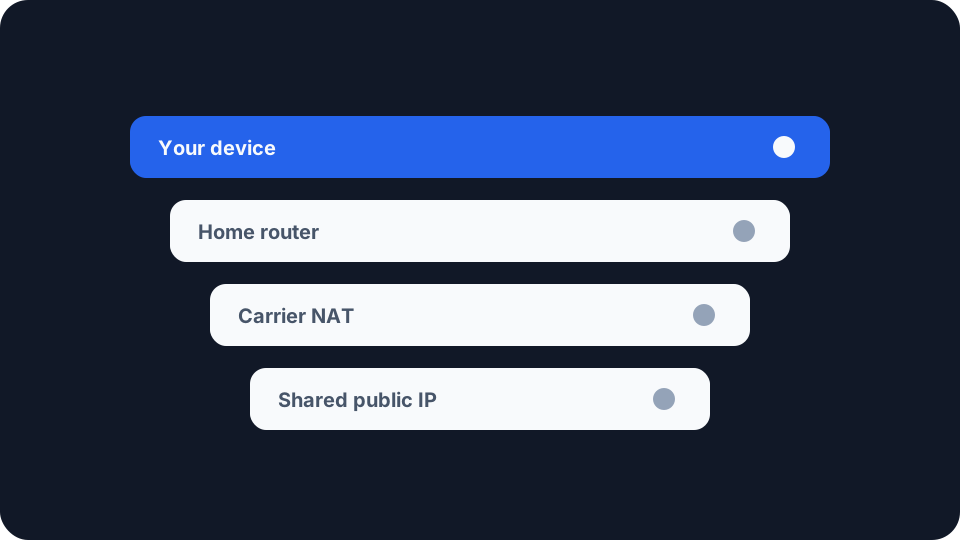
CGNAT Explained: Why You Share an IP With Strangers
Why your provider put you behind carrier-grade NAT, what it really breaks, why it does not get you flagged as a proxy, and how to tell if you are behind one.
Read more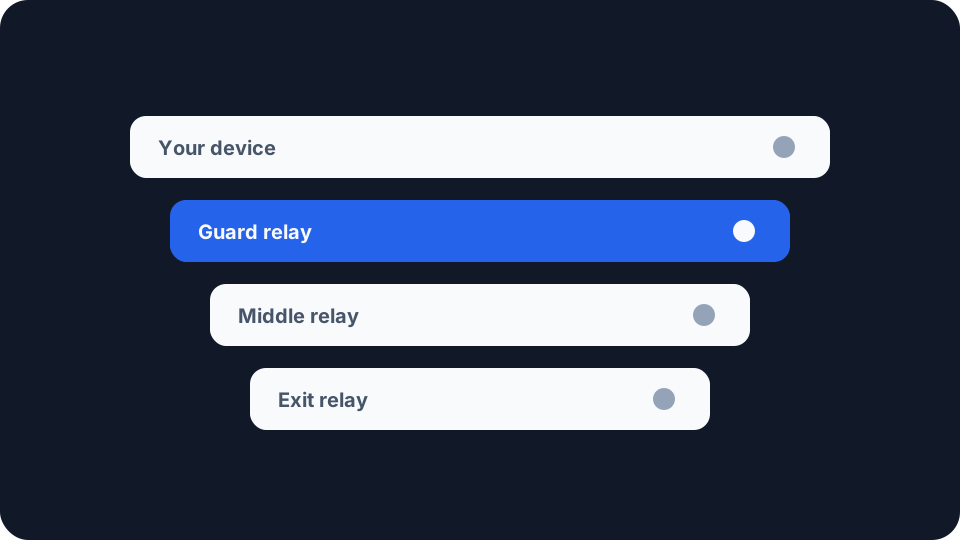
Tor Browser Explained: What It Hides and What It Does Not
How Tor Browser's three relays really work, why its anonymity depends on you changing nothing, what the exit relay still sees, and when it is the wrong tool.
Read more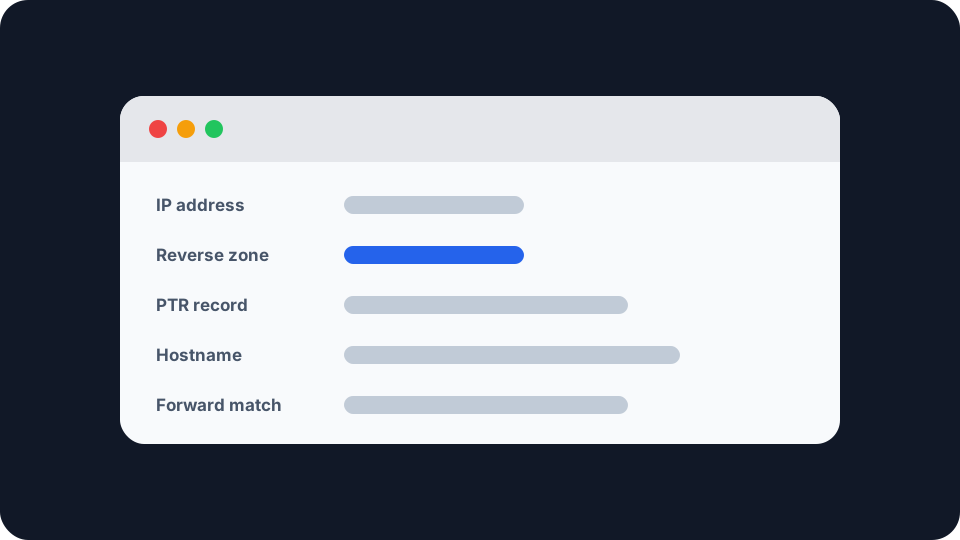
Reverse DNS Explained: What a PTR Record Actually Reveals
What reverse DNS is, why the record belongs to your network provider rather than to you, how to read a hostname, and what a PTR lookup can never tell you.
Read more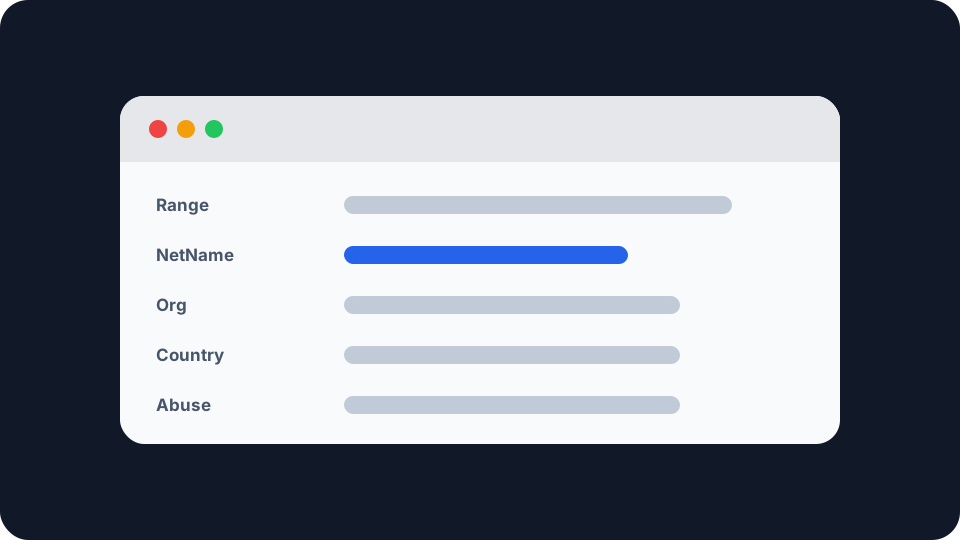
Reading an IP WHOIS Record: A Practical Guide
What each field in an IP WHOIS record means, what it cannot tell you, and why the WHOIS you use for domains is not the same system as the one for addresses.
Read more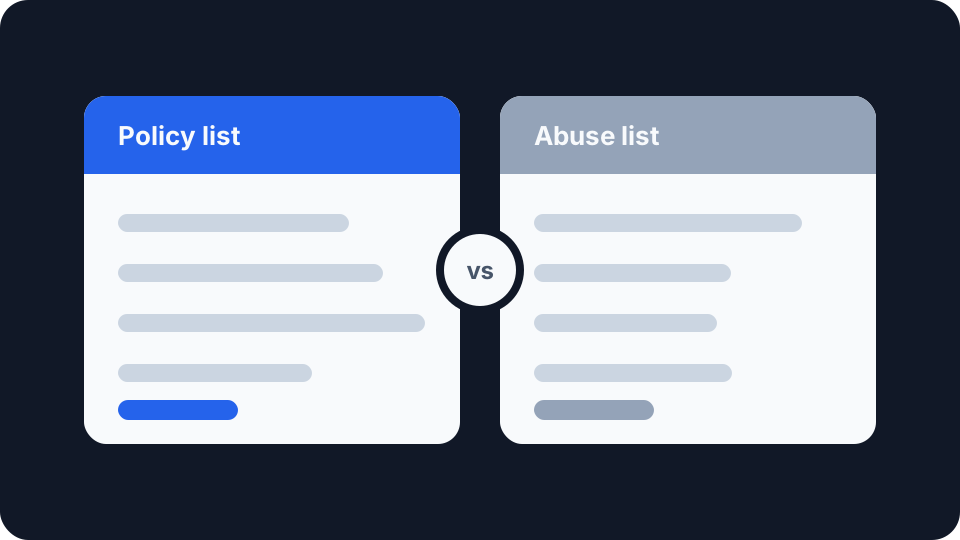
Why Your IP Is Blacklisted, and How to Get It Removed
Most home connections on a blacklist are on a policy list, not an abuse list. What that difference means, and the removal process that actually works.
Read more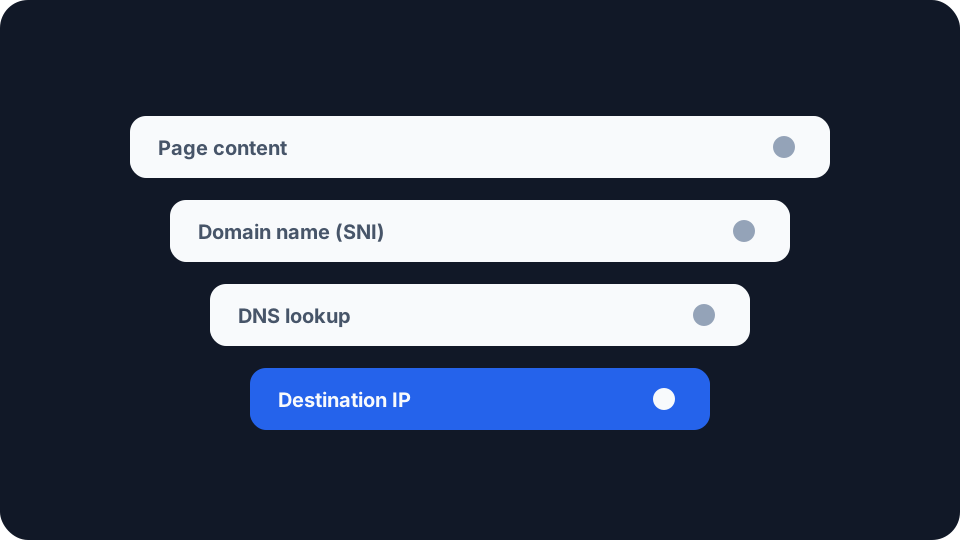
What Your ISP Can Actually See When You Browse the Web
Your provider stopped being able to read your traffic years ago, but it still sees where you go. What DNS, SNI and destination IP really give away.
Read more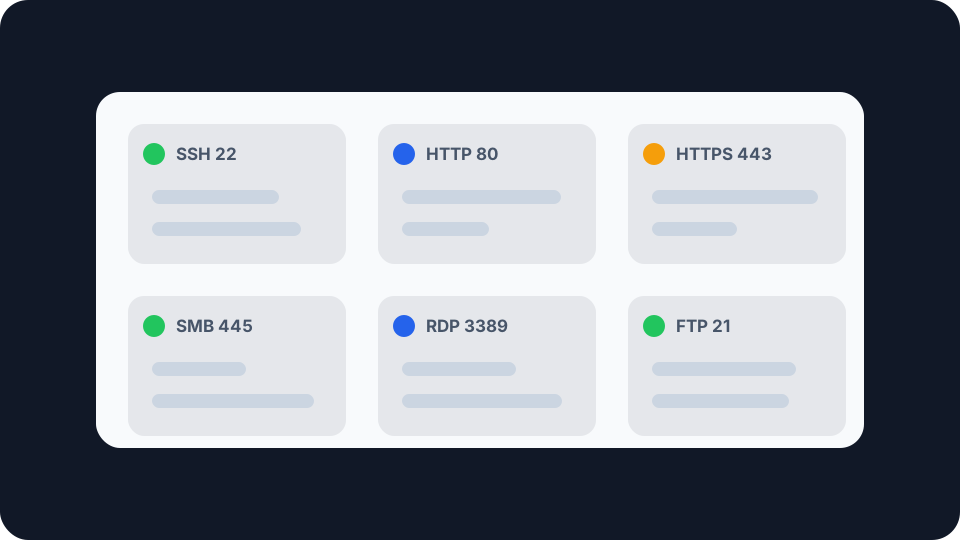
What Is an Open Port, and When Does It Actually Matter?
An open port is just a program listening for connections. What that means in practice, why closed and filtered are different answers, and how to check yours.
Read more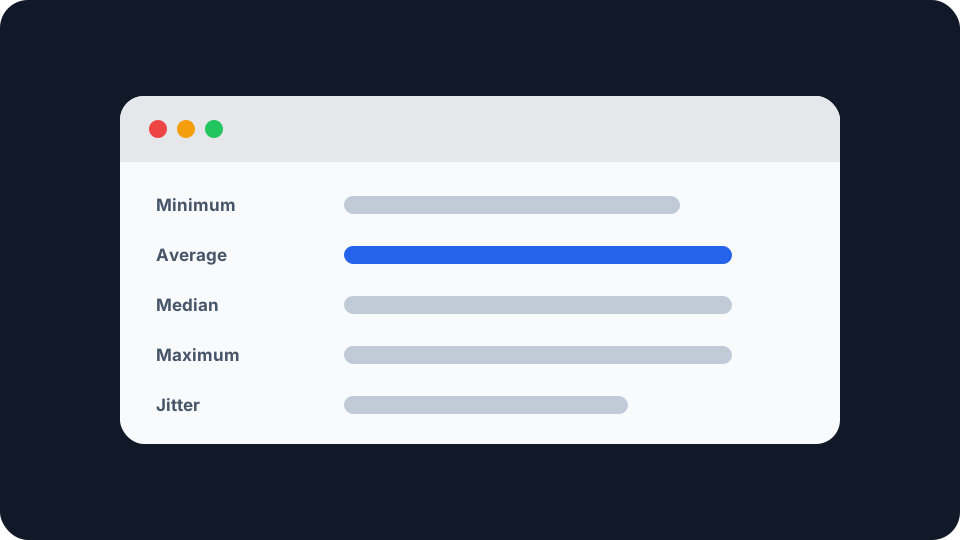
What Is a Good Ping, and What Jitter Actually Tells You
What ping really measures, why the 150ms figure everyone quotes is measured differently from the number your test shows, and why jitter matters more.
Read more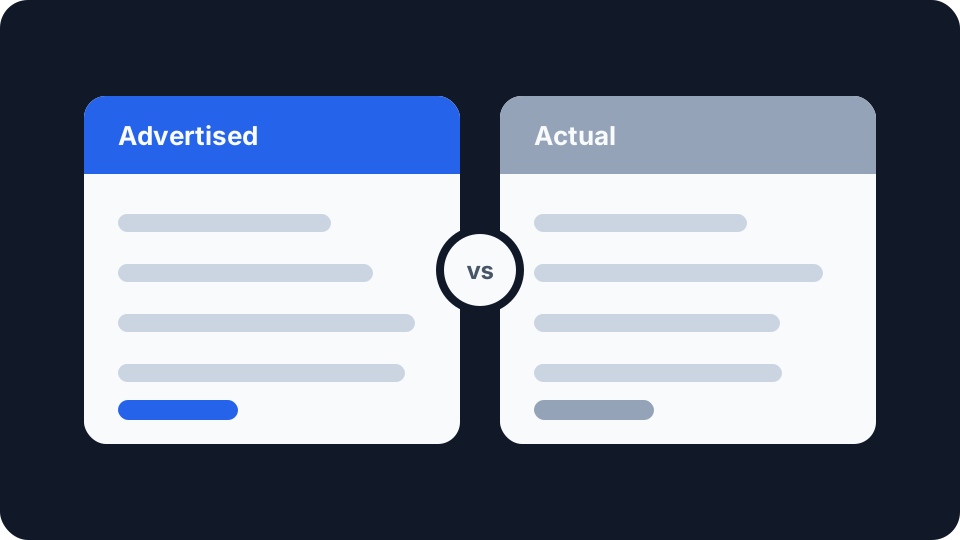
Why Your Speed Test Disagrees With Your ISP
The advertised speed is a median measured at the worst time of day, so half of customers get less by design. Plus where the rest of your speed goes.
Read more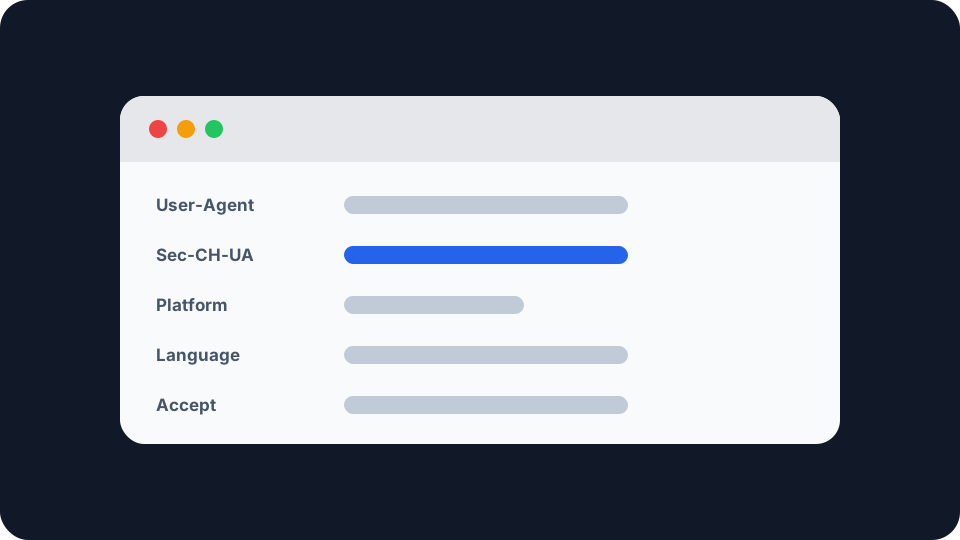
What Your User Agent String Actually Gives Away
Your browser introduces itself on every request. Here is what a user agent string really contains now, what Chrome froze, and what quietly replaced it.
Read more
Why Your Connection Gets Flagged as a VPN or Proxy
Why sites accuse ordinary home connections of using a proxy, why shared IPs and CGNAT are usually not the cause, and how to check what sites see.
Read more
Browser Fingerprinting Explained: How Sites Track You Without Cookies
What browser fingerprinting actually is, the signals that make it work (canvas, WebGL, fonts, TLS), why it's so hard to block, and how to check your own exposure.
Read more
VPN Kill Switch: What It Is and Why It Matters
How a VPN kill switch actually works, the difference between system-level and app-level protection, and how to check yours is doing its job.
Read more VPN Split Tunneling Explained: What It Is and When to Use It
How VPN split tunneling routes some traffic through the tunnel and some direct, the real use cases for it, and the security tradeoffs worth knowing before you turn it on.
Read more Does a VPN Actually Change Your IP Address?
We explain what a VPN really changes about your IP address, why it looks different to websites, and what it still does not hide.
Read more
Bitdefender vs Malwarebytes: Which Should You Choose?
Compare Bitdefender and Malwarebytes in plain English, including antivirus protection, malware removal, ransomware defence, safer browsing, and beginner fit.
Read more Antivirus vs Anti-Malware: What Is the Difference?
Learn the practical difference between antivirus and anti-malware tools, what they protect against, and how to choose the right protection.
Read more VPN vs Antivirus: What Is the Difference?
A plain-English guide to the difference between a VPN and antivirus software, what each one protects, and why many people need both.
Read more VPN vs Password Manager: What Is the Difference?
A beginner-friendly guide to what VPNs and password managers protect, where they overlap, and why many people need both.
Read more Can Someone Track Me With My IP?
A realistic guide to what your IP address can reveal, what it cannot reveal, and how to reduce avoidable privacy exposure.
Read more What Is a DNS Leak? A Plain-English Guide
A guide to what DNS leaks actually are, why they undermine VPN privacy, what your ISP can still see, and what causes them in the first place.
Read more
How to Change My IP Address
Practical ways to change your public IP address using a VPN, mobile data, router reconnect, proxy, or ISP support.
Read more
IPv4 vs IPv6
Understand the practical difference between IPv4 and IPv6 addresses, why both exist, and what it means for your connection.
Read more How to Check If My VPN Is Working
A simple checklist to confirm your VPN is changing your IP address, hiding your normal ISP, and not leaking DNS or WebRTC information.
Read more How VPNs Protect Your IP Address
Learn how VPNs mask your public IP address, encrypt your traffic, and reduce what websites and networks can see about you.
Read more IPv6 Adoption: What It Means for Your IP Address
A plain-English guide to IPv6 adoption, dual-stack networks, and why many connections still show both IPv4 and IPv6 addresses.
Read more
Public IP vs Private IP, Plus the Ranges That Are Neither
The three private IPv4 blocks, why 172.16 stops at 172.31, and the special ranges that are neither public nor private, sorted by how far each may travel.
Read more 5 Risks of Using Public WiFi Without a VPN
Public WiFi can expose your browsing to local network risks. Here are the main threats and the practical steps that reduce them.
Read more
Static vs Dynamic IP Address
Understand the difference between static and dynamic IP addresses, why your IP changes, and when a static IP is useful.
Read more VPN vs Proxy
Compare VPNs and proxies for privacy, encryption, speed, browser coverage, device coverage, and hiding your public IP address.
Read more What Is a WebRTC Leak? A Plain-English Guide
A guide to why browsers can reveal IP details through WebRTC, what this means for VPN users, and which settings and setups cause the exposure.
Read more
Why Is My IP Location Wrong?
Learn why IP geolocation can show the wrong city, region, or country, and what you can do when your IP address location looks inaccurate.
Read more